Hotels in Tramuntana
Spain · Balearic Islands · Menorca
Real direct prices from each hotel's own booking engine. Ad-funded, not commission — so there's nothing to mark up.
Tramuntana
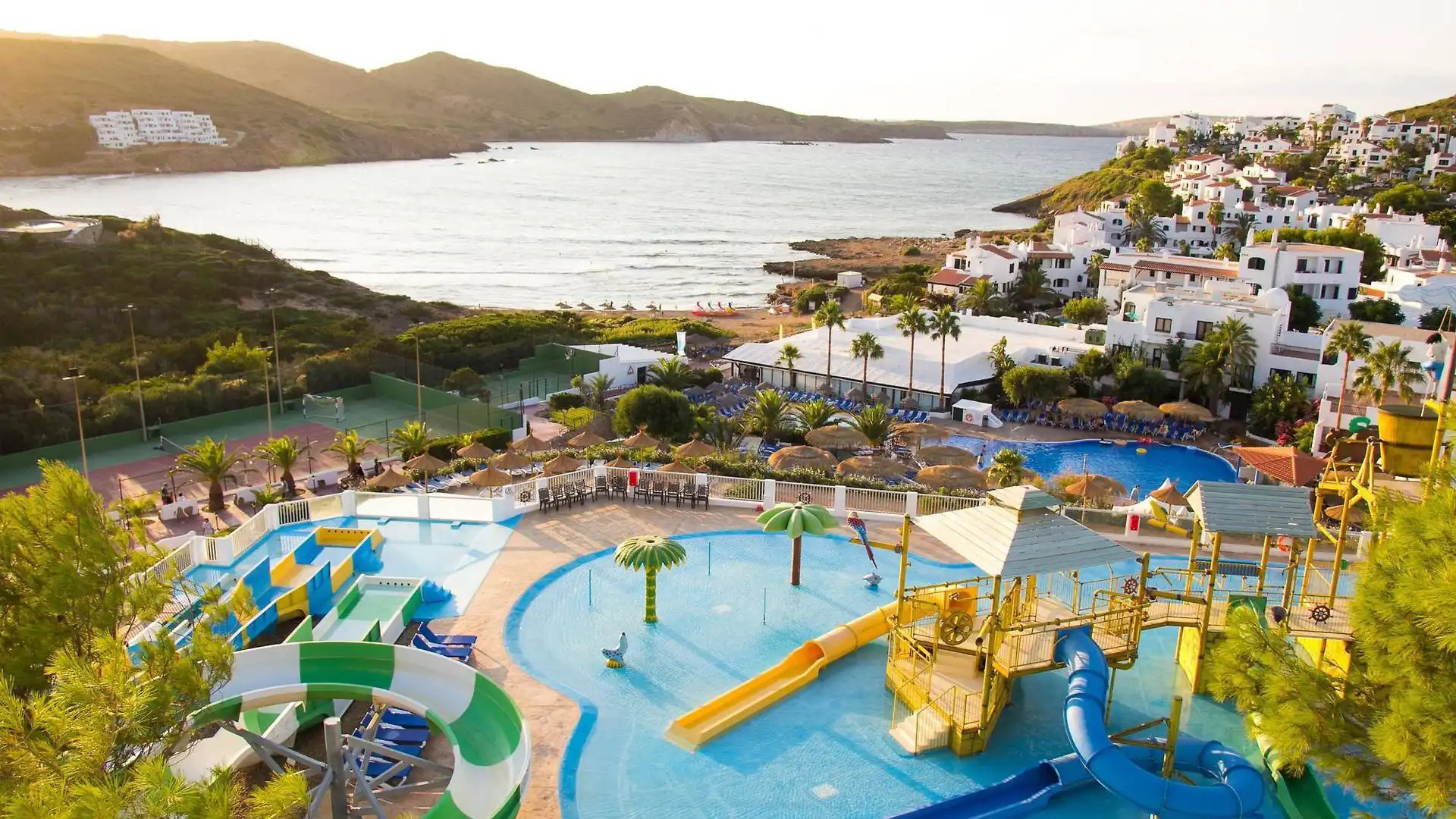
Tramuntana is the northern half of Menorca, a wild and ancient landscape shaped by the oldest rocks in the Balearic Islands, dating back over 400 million years to the Palaeozoic era. The name Tramuntana comes from the powerful north wind that sweeps across this coast, sculpting the dark slate and sandstone cliffs into dramatic headlands, hidden inlets, and sheltered coves with reddish sand. Unlike the flat limestone south, the Tramuntana presents a gently rolling terrain of rounded hills covered in evergreen scrubland, wild olive trees, and aromatic Mediterranean herbs. The northern coastline is deeply indented, creating dozens of intimate coves accessible only by foot or boat, where turquoise waters meet pristine sand in perfect solitude. The historic city of Ciutadella, Menorca's former capital and architectural jewel, anchors the western end of the Tramuntana with its Gothic cathedral, medieval palaces, and one of the most atmospheric harbour fronts in the Mediterranean. At the eastern end, the island's current capital Mahon presides over an enormous natural harbour stretching nearly six kilometres inland, lined with waterfront restaurants and the colourful houses of the old town. Between these two cities, the central village of Es Mercadal sits at the foot of Monte Toro, the island's highest point at 358 metres, from whose summit the entire island unfolds in a 360-degree panorama. The northern beaches range from the long golden strand of Son Parc and the horseshoe bay of Arenal d'en Castell to the wild and remote coves of Cavalleria, Pregonda, and Pilar, each requiring a scenic hike through pine forests and coastal scrub. The fishing village of Fornells, tucked into a sheltered bay on the north coast, is considered the gastronomic capital of Menorca, famous throughout Spain for its caldereta de langosta — a rich lobster stew that draws food lovers from across the world. The Tramuntana's prehistoric heritage is extraordinary: the talayotic settlement of Torre d'en Galmes near Alaior is one of the largest and best-preserved Bronze Age villages in Europe. The Cami de Cavalls coastal path traces the entire northern shoreline, offering challenging but spectacular hiking through terrain that alternates between cliff-top meadows, wooded ravines, and hidden beaches. Birdwatchers prize the Tramuntana for its wetlands at S'Albufera des Grau, a natural park that serves as the core zone of Menorca's UNESCO Biosphere Reserve. The region's rural interior is dotted with traditional Menorcan farmsteads known as llocs, many now converted into charming agroturismo hotels offering authentic countryside hospitality. Tramuntana's combination of geological drama, archaeological richness, world-class hiking, and the cultural sophistication of its two historic capitals makes it an endlessly rewarding destination for travellers seeking the authentic heart of Menorca.
Now in Tramuntana
7 nights · 2 adults
Direct prices · 7 nights, 2 adults
Across board types · 37 hotels · checked · cheapest months: October
When is cheapest?
Cheapest: Oct 2026 (median 633 €). Most expensive: Aug 2027 (1 387 €). Based on direct prices for 2 persons, 7 nights. checked .
Chart data
| Month | Median | Min | hotels |
|---|---|---|---|
| Oct 2026 | 633 € | 383 € | 10 |
| Apr 2027 | 811 € | 431 € | 17 |
| May 2027 | 829 € | 408 € | 26 |
| Jun 2027 | 1 106 € | 674 € | 26 |
| Jul 2027 | 1 386 € | 1 015 € | 27 |
| Aug 2027 | 1 387 € | 844 € | 26 |
| Sep 2027 | 949 € | 532 € | 26 |
| Oct 2027 | 761 € | 448 € | 23 |
Adults
18+ years
Children
0-17 years
Hotels in Tramuntana
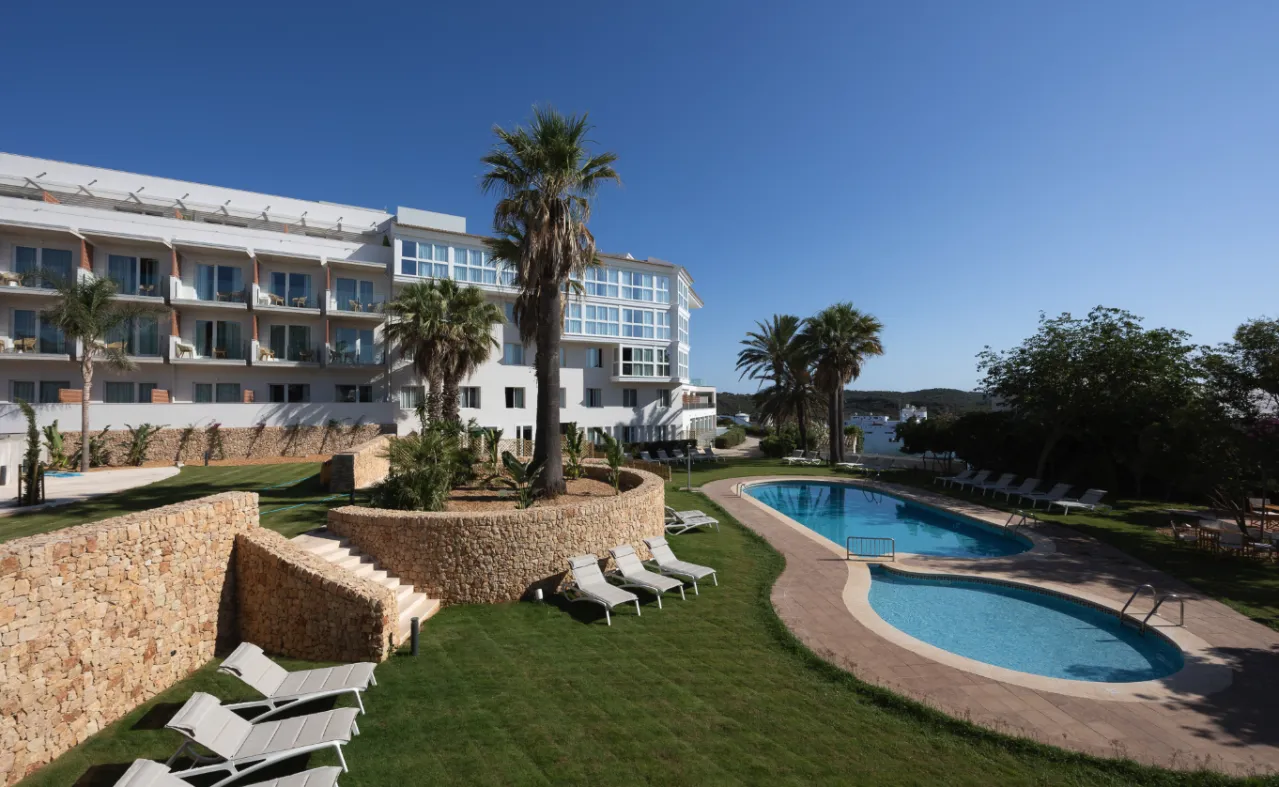
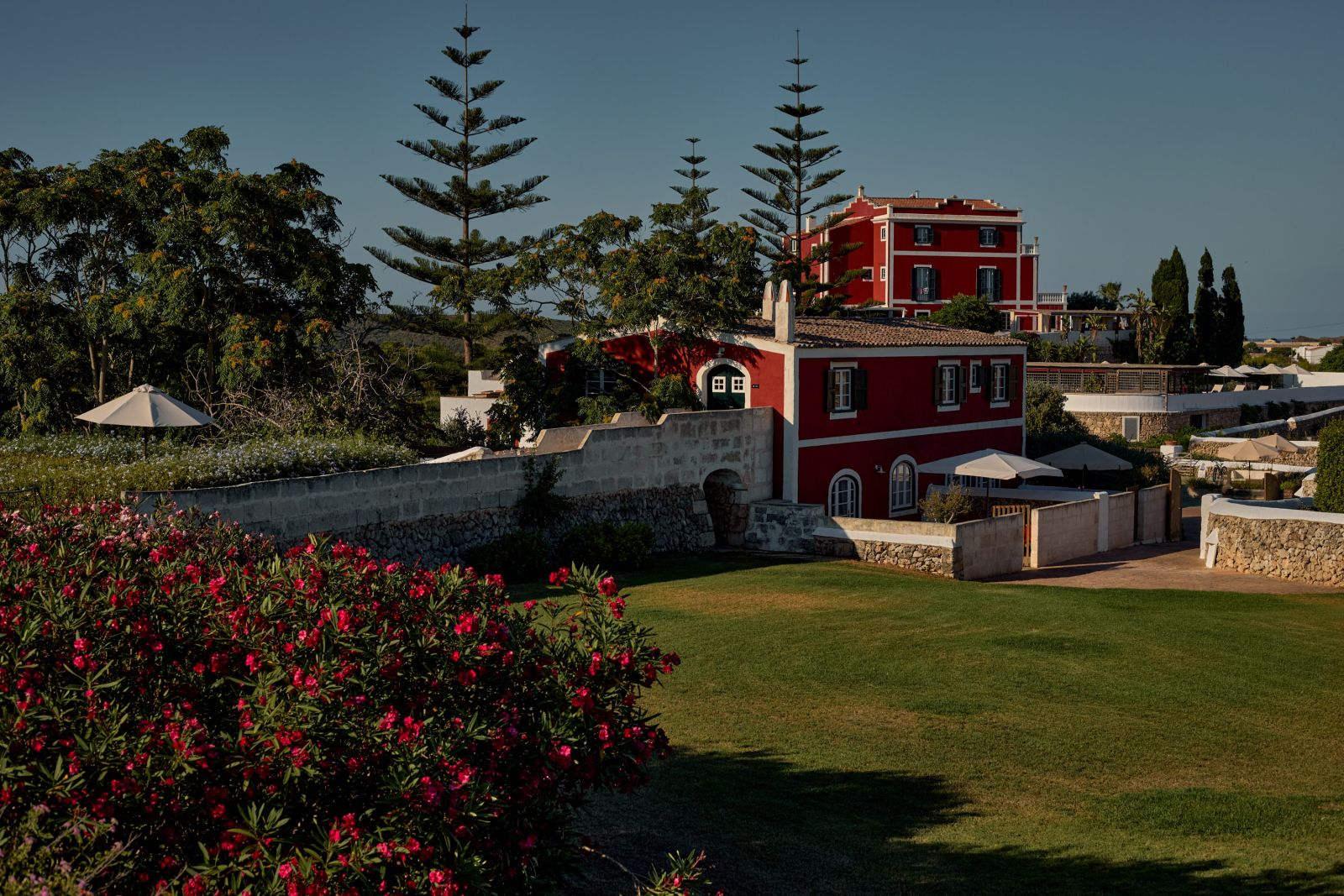
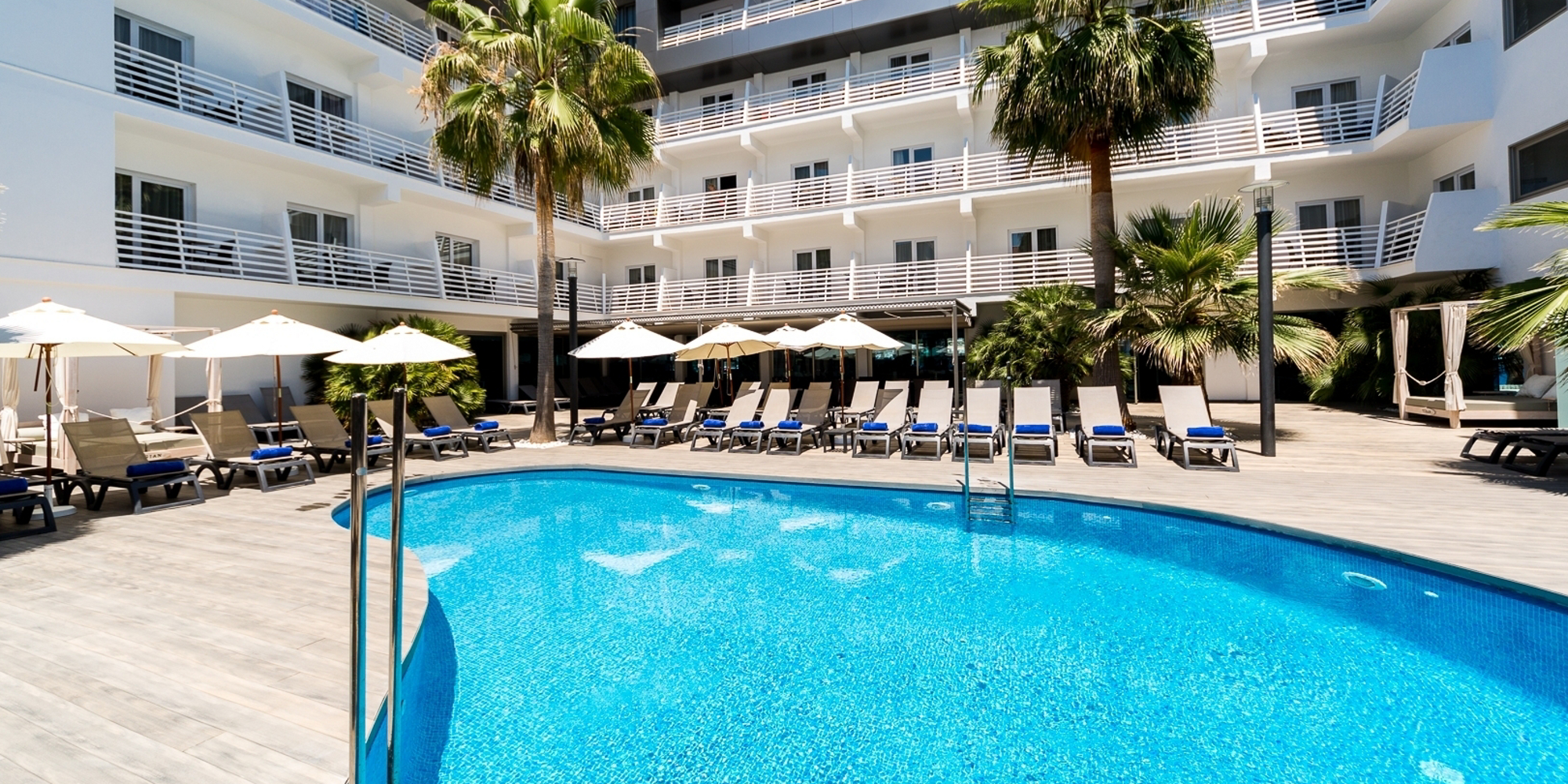
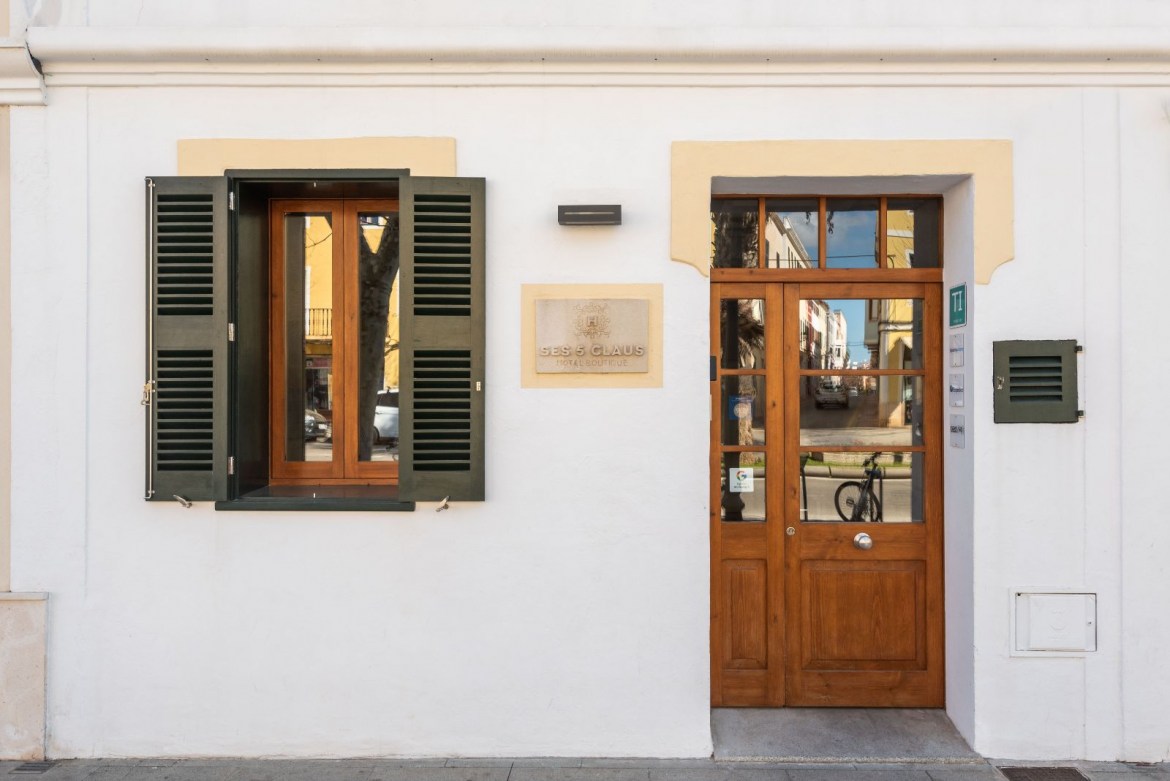
Frequently asked questions
- How much do hotels in Tramuntana cost?
- Across 37 hotels in Tramuntana, a 7-night stay for 2 adults costs from about 383 €, with a median of 692 €. Last checked 23 Oct 2026. Enter your dates for the live price.
- Is Tramuntana cheaper than Migjorn?
- The two cost much the same: a median week is 692 € in Tramuntana and 670 € in Migjorn.
- When is the cheapest time to stay in Tramuntana?
- Based on recent direct-price samples, the cheapest month in Tramuntana is usually October.
- How does hoo.travel make money?
- We earn from ads, not from your booking. There's no commission for us to mark up the hotel's price — what you see is the direct rate from the hotel's own booking engine.